[vc_row][vc_column][vc_column_text css=”.vc_custom_1762844066941{margin-bottom: 0px !important;}”]
In today’s fast-paced business world, efficiency is everything, and that’s where ERP system, which stands for Enterprise Resource Planning, comes into play. This article is a guide to discovering ERP systems, delving into their inner workings, and knowing why they’re the driving force behind so many successful businesses.
[toc][/vc_column_text][/vc_column][/vc_row][vc_row content_placement=”middle” el_class=”top-content”][vc_column width=”1/2″][vc_column_text]
WHAT IS ENTERPRISE RESOURCE PLANNING (ERP)?
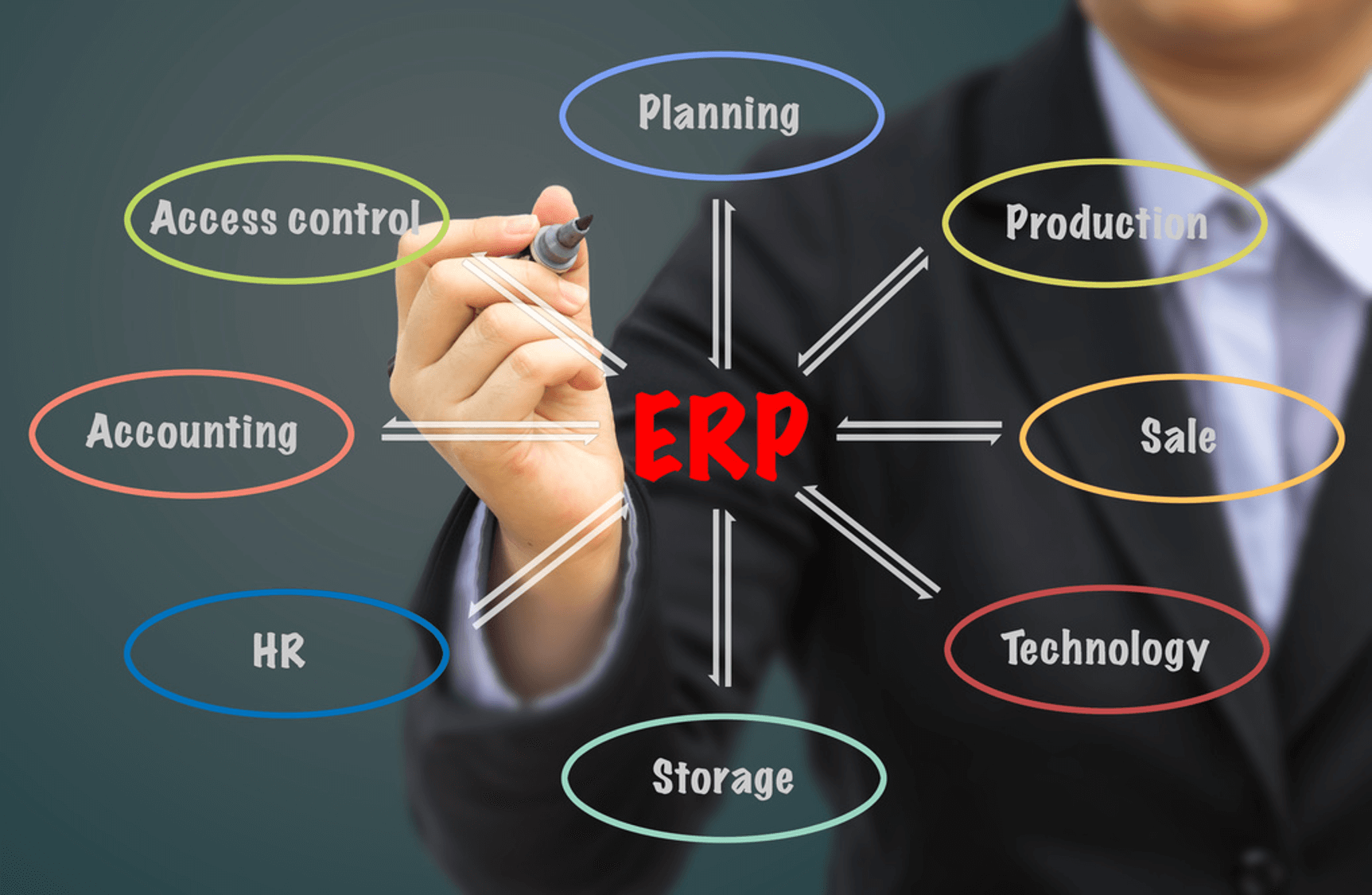
To put it as simply as possible, Enterprise Resource Planning System (ERP System) increases the efficiency of a company. It ties multiple wings of a business in one complete system and streamlines the processes and information among the staff.
Enterprise Resource Planning, or ERP system, integrates the data from the different parts of a company into one database and makes it possible to monitor every aspect of the business easily as well as supply the employees with accurate information and resources. Companies, small and large, are incorporating Enterprise Resource Planning in their organisational structures to great effect.
[/vc_column_text][/vc_column][vc_column width=”1/2″][vc_single_image image=”7477″ img_size=”350×350″ alignment=”center”][/vc_column][/vc_row][vc_row full_width=”stretch_row” content_placement=”middle” el_class=”secound-content” css=”.vc_custom_1698913982091{margin-bottom: 15px !important;}”][vc_column width=”1/2″][vc_single_image image=”7714″ img_size=”510×309″ alignment=”center”][/vc_column][vc_column width=”1/2″][vc_column_text css=””]
Then and Now
With the advent of cloud-based Enterprise Resource Planning systems, ERP is now far less expensive and way more affordable. It can be said without a doubt that a wide range of industries can use an ERP system to enhance performance and production. It does not only integrate data from multiple sources but also works in favor of Business Intelligence.
The platform for business ERP was set way back in the past by the incorporation of MRP or Material Requirements Planning. This was a system that was used to monitor inventory and schedule production processes. Today, Enterprise Resource Managment systems cover Business Intelligence and Analytics as well as front office operations like sales force automation, marketing automation, and eCommerce. The use of Cloud ERP in Singapore has, too, become more prevalent across different industries.
[/vc_column_text][/vc_column][/vc_row][vc_row el_class=”content-padding”][vc_column][vc_column_text css=”.vc_custom_1721960582289{margin-bottom: 15px !important;}”]
How Does ERP Systems Work?
It’s essential to delve into the specifics of ERP systems’ design, parts, and complex database structures in order to fully understand how they operate. This section delves deeply into the operation of ERP software, first examining its design and constituent parts before getting into the critical role the ERP database structure plays. This methodical approach will clarify how ERP systems seamlessly function in the modern company environment.
ERP Architecture and Components
Business ERP is mostly multi-tier structured, composed of three essential layers: the presentation layer, the application layer, and the database layer. The presentation layer serves as the user interface, where individuals interact with the system. In the application layer, you’ll find the heart of the ERP software, responsible for managing business logic and processes. The database layer, on the other hand, acts as the data repository for all ERP operations. Supporting this structure are various components like servers, application servers, and database servers, forming the underlying infrastructure. Organisations often enhance ERP systems by adding customisation and integration modules to align them with their unique requirements.
ERP Database Structure
When talking about which is the most important part of an ERP system, the database structure takes center stage, being the linchpin of its operation. Its primary role is to house a diverse array of data, ranging from fundamental master data such as customer and product details to the nitty-gritty transactional data, encompassing sales orders and invoices, not to mention the fine-tuning configuration data that dictates system settings and user permissions. ERPs use a relational database management system (RDBMS) to maintain data integrity and relationships between different data entities. Tables, indexes, and relationships are key elements of the database structure, ensuring efficient data retrieval and storage for ERP processes.
How Does it Help Productivity and Profitability?
There are three basic changes that ERP systems can bring in a big or growing company; all these definitely work toward the betterment of productivity. Let us look into those areas.
- A large-scale or fast-growing business with 150+ employees deals with innumerable processes, several workflows, and endless activities. There always remains a high chance of losing track of a part of it or the whole function due to a lack of a log that integrates all the information and tracks every single activity and measures every bit of progress. Enterprise Resource Planning systems fill this gap. This means no loose ends and hence, consistent productivity.
- It is often hard to maintain information accuracy and consistency of interpretation across the departments and sections of a company. Enterprise Resource Management solves this problem to a great extent by streamlining all the activities and acting as a single source of definitive information for the whole company.
- It frees employees from the constant liability of keeping track of their own as well as their subordinates’ activities. This saves crucial workable time and helps the employees to focus on the job rather than its accurate documentation.
These benefits give us a clear enough impression that an Enterprise Resource Management system can be a strong helping hand to any industry for the problems it solves, are more or less the same across different industries.[/vc_column_text][/vc_column][/vc_row][vc_row el_class=”four-img-content content-padding”][vc_column][vc_single_image image=”7479″ img_size=”full” alignment=”center” css=”.vc_custom_1698913051374{margin-bottom: 15px !important;}”][/vc_column][/vc_row][vc_row el_class=”content-padding”][vc_column][vc_column_text css=””]
ERP Implementation: A Comprehensive Guide
The proper implementation of ERP system in your company could become a complicated task. It needs to be carefully planned and executed so as to fit the specific requirements of the company. Hence, we’ll explain some vital facts that you should consider to help you come up with an ERP deployment strategy.
Understanding the ERP Implementation Process
As the success of an ERP implementation project is built on a grounded understanding of the process, it is crucially important to start with an in-depth understanding of it. It concerns setting goals, analysing the situation of operations at the moment, and organising ERP features so that they comply with organisational needs. This point implies the need to do an in-depth evaluation of workflows and processes, through which you will be able to see where improvement is needed.
Key Stakeholders in ERP Implementation
- Thorough project planning and management will make it possible for us to set up short and long-term goals to achieve vision. Appoint the individuals who will oversee the implementation process and check that tasks are accomplished within time and money limits.
- The process of data migration and conversion from the old system to the new ERP stands as a significant step. To ensure the accuracy of data, we need data cleansing, mapping, and validation approaches as we go through the process.
- The well-being of a training program should be the priority which is aimed at accomplishing the skill set required to use the ERP system at its maximum potential. Adoption of users is the most important KPI.
- Extensive systems testing and quality assurance techniques with a focus on identifying any potential complications and discrepancies before going live will aid in making the system more effective. Strategic testing will lead to a less rough transition.
- A continuous support and maintenance are required to maintain the system in its proper and maximum performance. The system continues to be updated, various troubleshooting tasks are done, and continuous improvement remains an integral part of its effectiveness when faced with changing business demands.

ERP Software Integration: Connecting Systems for Seamless Operations
Your ERP system is your financial control center, but to unleash its full potential, it needs to work with other apps. Isolation leads to manual data entry, delays, errors, and reduced productivity. Therefore, integration with ERP software used by different teams is the key to maximise its benefits.
Importance of ERP Software Integration
A well-connected ERP system can enable the smooth flow of data and information between various systems of your company, paving the way for quick decision-making, heightened efficiency, and better teamwork across different departments. This not only enhances customer service but also boosts adaptability and reduces costs, making it essential for modern businesses.
Types of ERP Software Integration
- Integrating ERP with accounting software ensures accurate financial data synchronisation, streamlining financial reporting, and enhancing compliance. This integration also enables real-time visibility into financial transactions and balances.
- Integrating business ERP with Customer Relationship Management (CRM) systems provides a holistic view of customer interactions, order history, and preferences. This alignment helps sales and customer support teams deliver better service and target marketing efforts effectively.
- Integrating ERP Software with supply chain management systems enhances inventory control, demand forecasting, and order fulfillment. This integration optimises supply chain processes, reducing lead times and costs.
Benefits and Challenges of ERP Software Integration
Integrating ERP software offers a host of advantages, like getting your data spot on, minimising the need for manual data input, and cranking up productivity while streamlining day-to-day operations. But it’s not all smooth sailing – there are hurdles to overcome, such as making sure different systems play nice together, safeguarding your data, and handling the intricacies of integration projects. In the fiercely competitive business world, we navigate today, weaving ERP into your setup isn’t just an option; it’s a strategic must for staying nimble and tuned in to market shifts.
Read more: A Comprehensive Guide for SMEs To Choose ERP Software
Different Solutions for ERP Systems
Now, let’s find out the diversity of ERP system solutions. There are various options, each with its benefits and features. This overview will help you understand the choices and find what suits your business best.
Solutions by Module
When it comes to modules, ERP solutions offer a wide range of tools and features to address specific aspects of business management. Here are some key modules:
- E-invoice modules handle invoicing activities in an efficient and effective way thus assisting organizations in their financial transactions and dealings. These modules provide solutions for creating and sending e-invoices, data validation, and connectivity to accounts systems of ERP aiming at minimising potential errors and increasing compliance with tax legislation.
- Business Analytics modules provide valuable insights through data analysis, helping organisations make informed decisions and optimise their strategies. They include advanced reporting and data visualisation tools, predictive analytics, and data mining capabilities, allowing businesses to identify trends, forecast future performance, and adapt their operations accordingly.
- Contract Management modules simplify the process of creating, monitoring, and managing contracts, reducing administrative burdens and minimising legal risks. These modules often feature contract templates, electronic signature capabilities, automated alerts for contract milestones, and advanced search functionality, ensuring that businesses can easily track contract compliance and renewals.
- Customer Relationship Management modules improve customer interactions and relationship management, enhancing the overall customer experience. They include tools for lead management, sales automation, customer support, and marketing campaign management. CRM systems enable businesses to centralise customer data, track interactions, and provide better service, ultimately fostering customer loyalty and driving sales growth.
- Equipment Servicing Management modules help organisations efficiently manage their equipment maintenance and servicing schedules, ensuring equipment reliability. Features may include equipment tracking, maintenance scheduling, work order management, and integration with IoT devices to monitor equipment health in real time. By proactively managing equipment maintenance, businesses can reduce downtime and extend the lifespan of their assets.
- Financial Management modules empower businesses to handle their finances, including budgeting, accounting, and financial reporting, with precision. They encompass functions like general ledger management, accounts payable and receivable, financial forecasting, and asset management, ensuring that financial data is accurate and accessible for strategic decision-making.
- Human Resource Management modules streamline various HR functions, from recruitment to payroll and performance management, ensuring a well-organised workforce. They typically offer features for employee self-service, benefits administration, talent acquisition, and performance evaluation, providing a comprehensive HR solution that enhances employee productivity and satisfaction.
- Production Management modules optimise production processes, from planning and scheduling to quality control. They may include features like production planning, work order management, real-time production monitoring, and quality assurance checks, ensuring efficient production workflows and maintaining product quality.
- Project Costing Management modules help businesses monitor project costs, making it easier to stay within budget and meet financial goals. This module often offers cost tracking, budgeting, resource allocation, and variance analysis features, allowing organisations to maintain profitability and effectively manage project finances.
- Supply Chain Management modules improve the efficiency of the supply chain, enhancing logistics and reducing costs. They include tools for inventory management, demand forecasting, order processing, and supplier collaboration, enabling businesses to optimise their supply chain processes, reduce inventory carrying costs, and meet customer demands more effectively.
- Vertical Extension modules provide industry-specific customisation, adapting ERP solutions to the unique requirements of different sectors. These modules are highly specialised, addressing specific industry needs such as compliance regulations, reporting requirements, and industry-specific processes. They ensure that the ERP system aligns perfectly with the business’s niche, maximising its operational efficiency.

Solutions by Industry
ERP solutions are also tailored to specific industries, addressing their unique demands. Let’s explore some industry-specific solutions:
- Construction ERP systems are designed to manage complex construction projects, ensuring project efficiency and cost control. They feature tools for project management, cost estimating, subcontractor management, and construction-specific financial modules to meet the specific challenges of the construction industry.
- Construction Schedule of Rates (SOR) modules focus on pricing and managing construction projects effectively. They allow construction companies to accurately price projects, manage rates for various activities, and maintain profitability.
- Architecture software assists architects and designers in project planning, design, and execution, improving design accuracy and collaboration. These modules may include features for 3D modeling, rendering, and collaboration tools, allowing architects to bring their designs to life with precision.
- Wholesale Distribution solutions optimise inventory management and supply chain operations for distribution businesses. They include features for order processing, demand forecasting, warehouse management, and supplier collaboration, ensuring the efficient flow of goods to customers.
- ERP solutions for general manufacturing streamline manufacturing processes, from production planning to quality control. They include features for the bill of materials, work order management, quality assurance, and shop floor control, allowing manufacturers to optimise production and ensure product quality.
- Marine Engineering solutions are tailored to the maritime industry, addressing maintenance, logistics, and compliance requirements. They include features for vessel maintenance, spare parts management, voyage planning, and regulatory compliance, ensuring the smooth operation of maritime businesses.
- ERP software for Rental and service businesses helps manage equipment and service requests efficiently. They include tools for rental scheduling, maintenance tracking, service dispatch, and customer billing, ensuring efficient service operations.
- Waste Management solutions facilitate waste collection, recycling, and disposal operations, ensuring environmental compliance. They include features for route optimisation, landfill management, recycling tracking, and environmental reporting, helping waste management businesses operate sustainably and efficiently.
- Field Service Management (FSM) can help businesses manage things like work orders, schedules, and dispatching, as well as keep an eye on how your on-site technicians are doing. This solution helps companies provide top-notch service, thanks to real-time control over what’s happening in the field. It’s all about boosting productivity and keeping customers happy.
Read more: Ultimate Guide on Field Service Management
- Cleaning Solutions modules are designed for cleaning service providers, helping with scheduling and resource management. They may include features for client scheduling, staff management, inventory tracking, and quality control, ensuring that cleaning service businesses can optimise their operations and deliver high-quality services.
- Laundry Management solutions streamline laundry operations, from inventory management to customer service. They include features for laundry scheduling, inventory tracking, customer management, and billing, ensuring that laundry businesses can efficiently handle customer orders and maintain inventory control.
- ERP solutions for the Food and Beverage industry enhance operations in areas such as supply chain, inventory, and menu management. They include features for food sourcing, inventory tracking, recipe management, and menu planning, ensuring that F&B businesses can maintain food quality, manage inventory efficiently, and offer diverse and appealing menus to their customers.
The Importance of ERP in Modern Business
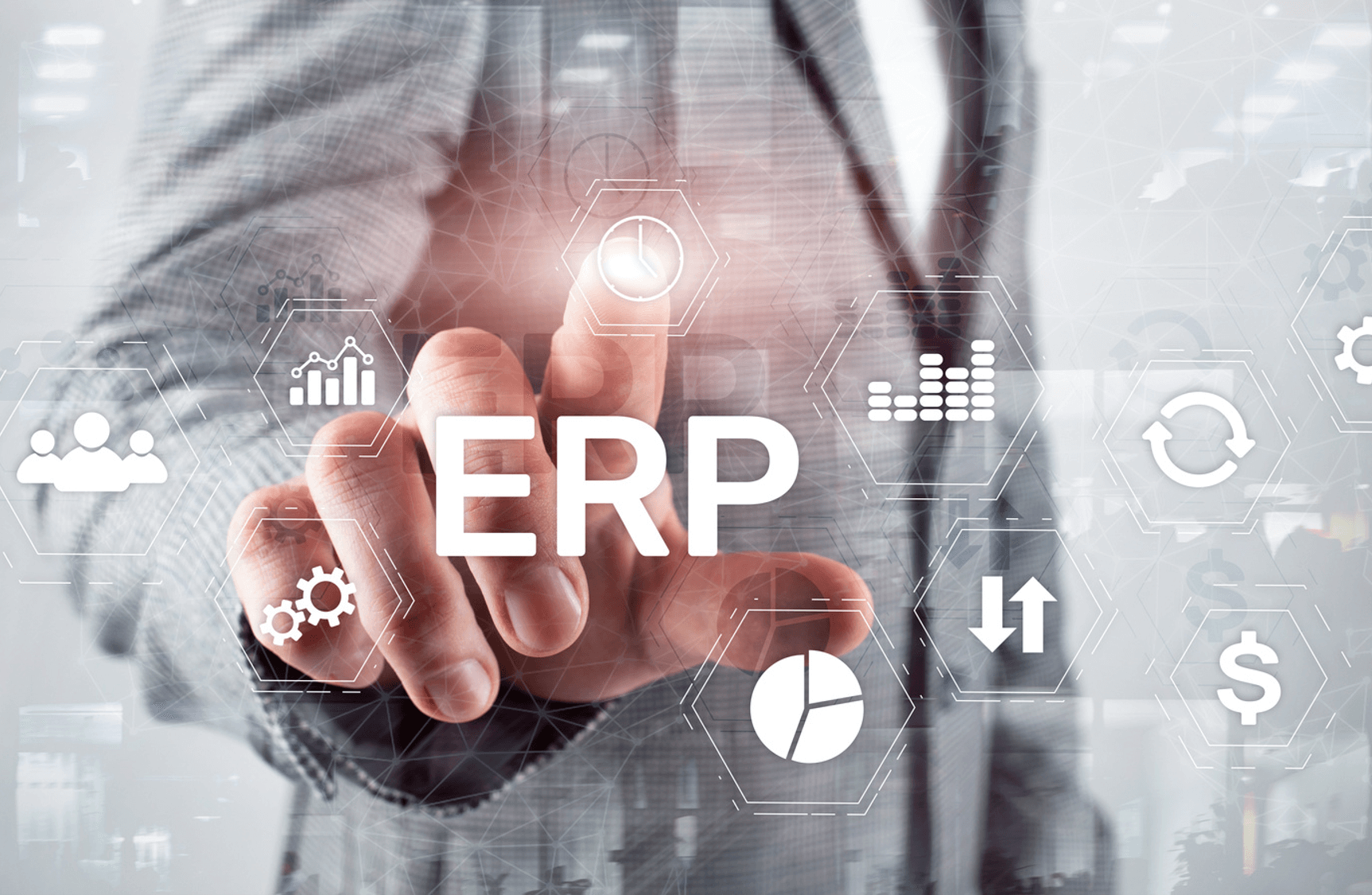
It’s no exaggeration to say that an ERP system is essential for any modern-day company, especially the ones that aim to streamline their internal operations, adapt to the dynamic needs of their customers, and scale their business operations. Given its critical role, let’s find out what are the elements that make this tool so important.
Enhancing Efficiency and Productivity
ERP systems play a vital role in boosting efficiency and streamlining business processes within organisations. They achieve this by automating time-consuming manual tasks, cutting down on data entry slip-ups, and giving users instant access to vital information. This upswing in efficiency not only leads to cost savings but also frees up employees to concentrate on tasks that truly add value.
Data Accuracy and Real-time Reporting
ERP systems offer a single source of truth for data, ensuring data accuracy and consistency. Real-time reporting and analytics capabilities empower businesses with up-to-the-minute insights into their performance, enabling quicker and more informed decision-making.
Facilitating Informed Decision-Making
Thanks to their robust data analytics and reporting tools, ERP systems empower organisations to make decisions based on concrete information. These systems offer valuable insights into market trends, customer behavior, and operational efficiency, giving businesses the ability to adjust and flourish in competitive landscapes.
Supporting Business Growth and Scalability
As businesses grow, ERP systems can smoothly expand to keep pace with their needs. They offer the agility and adaptability required to respond to shifting market dynamics, incorporate new users or features, and stay in sync with emerging technologies.
In today’s fast-moving and data-centric business world, ERP software has evolved into an essential asset for organisations striving to maintain a competitive edge, boost operational efficiency, and fuel their expansion. Their knack for streamlining operations, improving decision-making, and flexibly meeting evolving business demands cements their role as a key pillar in modern business triumph.
How to Effectively Utilise ERP Software in Your Company?
Knowing that ERP systems are essential for your business, the next step is to explore strategies for harnessing the full potential of ERP software within your organisation, ensuring they become powerful tools for efficiency and growth.
Aligning ERP with Business Objectives
To maximise the benefits of ERP software, it’s essential to align its functionalities with your company’s specific business objectives. Begin by conducting a thorough needs analysis to identify areas where the ERP software can drive efficiency and support your strategic goals.
Customisation and Configuration
While ERP software comes with standard modules, customisation, and configuration are often necessary to tailor the system to your company’s unique processes. Collaborate with ERP experts to ensure that the system is optimised to meet your specific requirements without unnecessary complexity.
User Training and Adoption Strategies
User training and adoption are critical for ERP success. Develop comprehensive training programs that empower employees with the skills and confidence to navigate and utilise the ERP software effectively. Encourage a culture of user adoption by emphasising the benefits and long-term value it brings to their daily tasks.
Continuous Improvement and Updates
ERP software evolves, and it’s crucial to stay current with updates and enhancements. Implement a strategy for ongoing system improvement, including regular updates, performance monitoring, and feedback loops. This ensures that your ERP software remains aligned with changing business needs and industry trends.
Trends and Future Developments in ERP

ERP systems have continued to evolve over time and these crucial business systems still hold a lot of growing potential in the future such as:
- Emerging Technologies in ERP: ERP systems are keeping up with the times by adopting the latest tech trends like artificial intelligence (AI), machine learning, and the Internet of Things (IoT) to level up their functionalities. AI and machine learning are being put to work for predictive analysis, empowering businesses to make smarter decisions. Meanwhile, the integration of IoT allows for real-time data gathering from diverse sources, making ERP insights even more precise and timely.
- Industry-specific ERP Solutions: Tailored ERP solutions for specific industries are making their mark. These custom-made systems are crafted to address the distinct requirements of particular sectors, like healthcare, manufacturing, and retail. They come equipped with specialised modules and features that harmonise with industry standards and guidelines, resulting in a more streamlined and compliant operation.
- Cloud-Based ERP and Mobility: More and more businesses are hopping on the cloud-based ERP bandwagon. Cloud ERP brings flexibility, scalability, and cost savings to the table, which is drawing in companies of all shapes and sizes. What’s more, the addition of mobile features means users can tap into ERP tools and data while on the move, giving a boost to productivity and responsiveness.
As ERP systems evolve, businesses can benefit from enhanced functionality, industry-specific customisation, and greater accessibility through cloud and mobile technologies. Staying abreast of these trends is crucial for organisations looking to remain competitive and agile in the ever-evolving business landscape.
FAQs About Enterprise Resource Planning
What are some ERP examples?
To gain a better understanding of the role and function of ERP systems, we can examine some ERP examples depending on industry function.
Manufacturing: ERP solutions designed specifically for the manufacturing industries aid in inventory management, supply chain optimisation, and process streamlining.
Retail and Wholesale: ERP solutions improve sales and operational efficiency in the retail and wholesale industries by facilitating order processing, inventory management, and customer relationship management.
Healthcare: ERP systems designed specifically for the healthcare industry assist with patient management, electronic health records (EHR), billing, and regulatory compliance to enhance the quality of healthcare services and efficiency of operations.
Construction: ERP systems created specifically for the construction sector assist in budgeting, resource allocation, subcontractor coordination, and project management to guarantee profitable and successful project completion.
What are some common ERP tools?
ERP systems integrate various tools to manage core business functions. Here are some examples:
Financial management: Tools for accounting, budgeting, and financial reporting.
Human resources: Tools for payroll processing, employee benefits management, and recruitment.
Customer relationship management (CRM): Tools for sales automation, marketing campaigns, and customer service.
Supply chain management (SCM): Tools for inventory management, order processing, and logistics.
What is ERP?
ERP stands for Enterprise Resource Planning, which is a software system designed to integrate and manage core business processes, such as:
- Financial management: Accounting, budgeting, and financial reporting
- Human resources: Payroll, benefits, and recruitment
- Supply chain management: Inventory, order processing, and logistics
- Customer relationship management (CRM): Sales, marketing, and customer service
Conclusion and Key Takeaways
As we wrap up our journey through the world of ERP (Enterprise Resource Planning), let’s distill the essential insights and key takeaways that will empower you to navigate the complexities of ERP systems with confidence and strategic vision.
The Ever-evolving Landscape of ERP
With the benefits that ERP has to offer, the global ERP software market is expected to grow from $64.83 billion in 2024 to $123.41 billion by 2030, representing an 11.7% annual growth rate. From 2023 forward, ERP continues to gain popularity in industries ranging from Marine Engineering to Rental Services while covering industries like Construction, Healthcare, Trading and Distribution, Manufacturing and more.
Staying informed about these changes is vital for businesses aiming to leverage ERP systems effectively for improved efficiency and competitiveness.
Steps to Successful ERP Implementation
Successful ERP implementation requires careful planning, alignment with business objectives, customisation to meet specific needs, comprehensive user training, and a commitment to continuous improvement. These steps form the foundation for harnessing the full potential of ERP technology.
Harnessing the Power of ERP for Business Excellence
ERP software offers unparalleled capabilities to streamline operations, enhance decision-making, and drive business growth. When utilised strategically and aligned with organisational goals, ERP becomes a cornerstone of business excellence, providing a competitive edge in today’s dynamic market.
In conclusion, ERP software is a pivotal tool in modern business operations, and its effective use demands a strategic approach, adaptability to change, and a commitment to ongoing improvement. By embracing these principles, businesses can unlock the full potential of ERP technology and position themselves for success in the ever-evolving business landscape.
It is now apparent why it was predicted that the use of ERP would increase at an annual rate of 11.7%. Since 2023 and forward, ERP has continued to gain popularity in industries ranging from Marine Engineering to Rental Services while covering industries like Construction, Healthcare, Trading and Distribution, Manufacturing and more.
We are proud to be a leading provider of ERP solutions and Cloud ERP software in Singapore. Contact us to understand more about our ERP services.
[/vc_column_text][/vc_column][/vc_row]